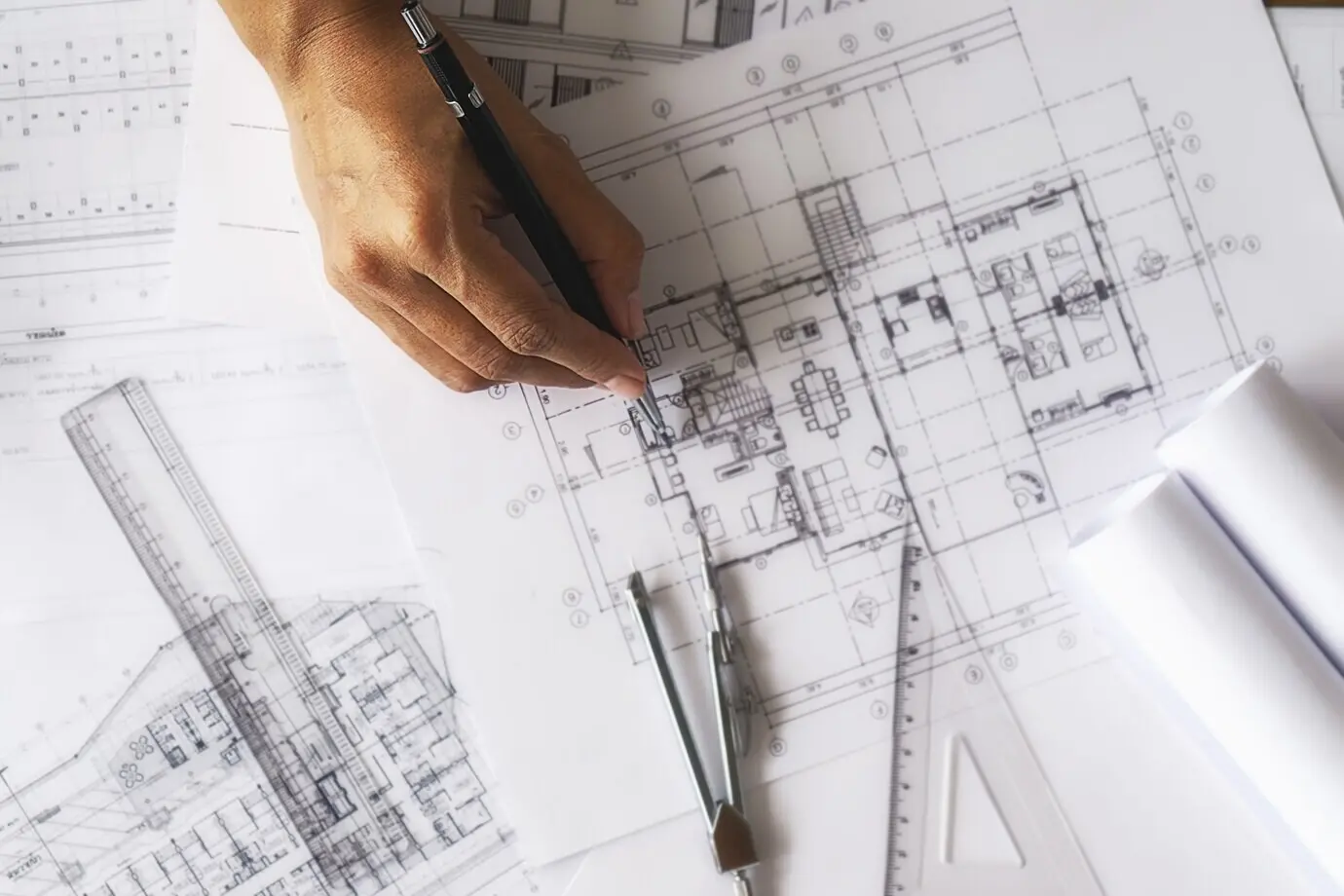
Design Without Compromise, Savings Without Stress

Today we explore value engineering for home upgrades—saving without sacrificing design—by aligning performance goals, materials, and construction methods with what matters most in daily living. You’ll learn practical strategies, trade‑off decisions, and measured results that keep beauty, durability, and comfort intact while spending smarter. Expect actionable checklists, relatable stories, and a planning framework you can start using this weekend, whether you’re refreshing a kitchen, reimagining a bath, or improving curb appeal with confidence.

Start With Purpose, Not Price Tags

Great outcomes start by defining value in terms of function, aesthetics, durability, and maintenance before touching the budget line. When you articulate how each space should serve your lifestyle, you can direct money toward performance and beauty that you actually feel, avoiding costly flourishes that fail daily reality checks.

Materials That Feel Premium, Spend Wisely

{{SECTION_SUBTITLE}}

Stone Style, Engineered Smarts

Consider large‑format porcelain or quality quartz for the drama of stone without quarry‑level prices. Both offer consistent patterns, reduced sealing, and strong stain resistance. With thoughtful edge profiles and integrated backsplashes, you can achieve crisp lines and visual calm, freeing budget for lighting, hardware, or millwork that guests immediately notice.

Warmth of Wood, Sensible Choices

Use veneered fronts on stable cores for the warmth of wood without solid‑stock costs. Pair durable finishes with strategic use of solid lumber at touchpoints like rails and shelves. This approach keeps visual richness intact, controls movement, and lets you invest in better hinges, glides, and organizational inserts that truly improve daily use.

Behind the Walls, Ahead on Comfort

Invisible choices create visible comfort. Right‑sized systems, strategic insulation, and sensible wiring plans yield quiet rooms, consistent temperatures, and flexible lighting. Investing here early can reduce ongoing utilities, prevent callbacks, and allow modest finishes to feel elevated because the environment—light, sound, airflow—supports calm, durable enjoyment in every season.

Right‑Size, Don’t Oversize HVAC

Oversized equipment short‑cycles, wastes money, and sabotages comfort. Demand load calculations, consider zoning, and explore variable‑speed options. Balance returns and supply registers thoughtfully, then seal ducts properly. You’ll often afford better diffusers or smart controls with the savings, achieving quiet, even temperatures and healthier air without expanding overall project costs.

Lighting Layers That Do the Heavy Lifting

Blend ambient, task, and accent lighting with efficient LEDs and smart dimming. A few well‑placed, higher‑quality fixtures can outperform dense grids of budget cans. Use warm color temperatures in relax zones and brighter neutrals for tasks. Good controls stretch value, letting one room flex between cooking, working, and entertaining effortlessly.

Insulation and Air Sealing Where It Counts

Focus on attics, rim joists, and penetrations where air leakage bites hardest. Targeted air sealing and the right insulation mix improve comfort and acoustics while reducing utility spend. With a tighter envelope, you can choose quieter mechanicals and lighter heating loads, freeing funds for finishes that deliver daily delight and longevity.

Details That Do More With Less

Thoughtful detailing stretches every dollar. Standard components become special through proportion, color, and shadow. A consistent hardware finish, disciplined sightlines, and restrained material shifts create visual harmony. Rather than buying more, design better—prioritizing rhythm, alignment, and tactile moments that make everyday actions feel intentional, composed, and quietly luxurious.

Include Alternates and Unit Prices

Ask bidders for priced alternates on finishes and assemblies you might swap, plus unit prices for common scope changes. This transparency prevents panic decisions during construction. It also empowers value comparisons in real time, so any substitution keeps aesthetic intent, maintenance expectations, and performance metrics firmly anchored and respected throughout delivery.

Sequence for Fewer Headaches

Align schedules with lead times and inspection requirements to prevent rework. Lock critical dimensions before ordering custom pieces, and protect installed finishes with temporary coverings. Smart sequencing reduces labor inefficiencies, freeing contingency funds for design accents. Your project runs calmer, trades stay happier, and completed spaces look crisp, coordinated, and intentional.

Document, Verify, Celebrate

Create a concise submittal log and photo checklist for milestone reviews. Verify that chosen alternatives match specifications for color, sheen, dimensions, and durability. When a substitution performs better than expected, capture it as a standard for future phases. Documentation sustains momentum, prevents miscommunication, and honors the design decisions that deliver real value.

Bidding, Scheduling, and Control That Protects Design

Process discipline safeguards savings. Clear drawings, alternates for key assemblies, and unit costs for likely changes reduce surprises. Early procurement for long‑lead items avoids rush fees. Regular site checks verify substitutions meet performance targets, ensuring every cost decision preserves beauty, durability, and the user experience that started the entire effort.

Proven Wins, Room by Room

A Kitchen That Saved 28% Yet Gained Presence

Switching to porcelain slab counters with a clean eased edge, paired with modular cabinets and upgraded drawer glides, saved thousands. The team redirected funds to layered lighting, a quiet hood, and a custom pantry pull‑out. Cooking became simpler, sound levels dropped, and guests noticed the glow and flow, not the compromises.

A Calm Bath Crafted on a Tight Budget

Large‑format matte tiles minimized cuts, while a single niche aligned with grout lines looked bespoke. A standard vanity box gained personality through a furniture‑style toe and solid wood pulls. Funds redirected to a thermostatic valve and better exhaust created steam control, comfort, and long‑term reliability without chasing expensive stone or fragile finishes.

Curb Appeal Through Phased Precision

Rather than replacing the entire facade, the plan focused on proportion: repainting with a balanced palette, swapping two key light fixtures, updating house numbers, and refining landscape edges. The next phase added a standard door with standout hardware. Neighbors noticed immediate uplift, while the budget stayed modular, predictable, and stress‑free.

Your Turn: Plan the Next Upgrade

Bring these ideas home with a simple plan you can action quickly. Start small—one room, two priorities, three measurable targets. Ask questions, share photos, and compare options with peers. The path to beautiful, durable spaces gets easier when you iterate, record wins, and keep your eyes on what truly matters daily.

A Quick Worksheet for Clear Decisions

List must‑haves, nice‑to‑haves, and items to cut without pain. Add performance metrics—light levels, cleaning time, sound goals, moisture control. Attach a simple budget range and highlight one element worthy of a small splurge. This clarity makes trade‑offs objective, conversations smoother, and savings easier to protect through construction and inevitable surprises.

Share Plans, Get Tailored Suggestions

Post your floor plan or photos with two constraints and one ambition. We’ll discuss substitutions, sequencing, and vendors that fit your region. Expect practical feedback, not perfection chasing. Together we’ll shape a path that respects budget, champions comfort, and unlocks the calm, cohesive look you’ll love living with daily.
Namupanuvuxelamifitu
Privacy Overview

This website uses cookies so that we can provide you with the best user experience possible. Cookie information is stored in your browser and performs functions such as recognising you when you return to our website and helping our team to understand which sections of the website you find most interesting and useful.